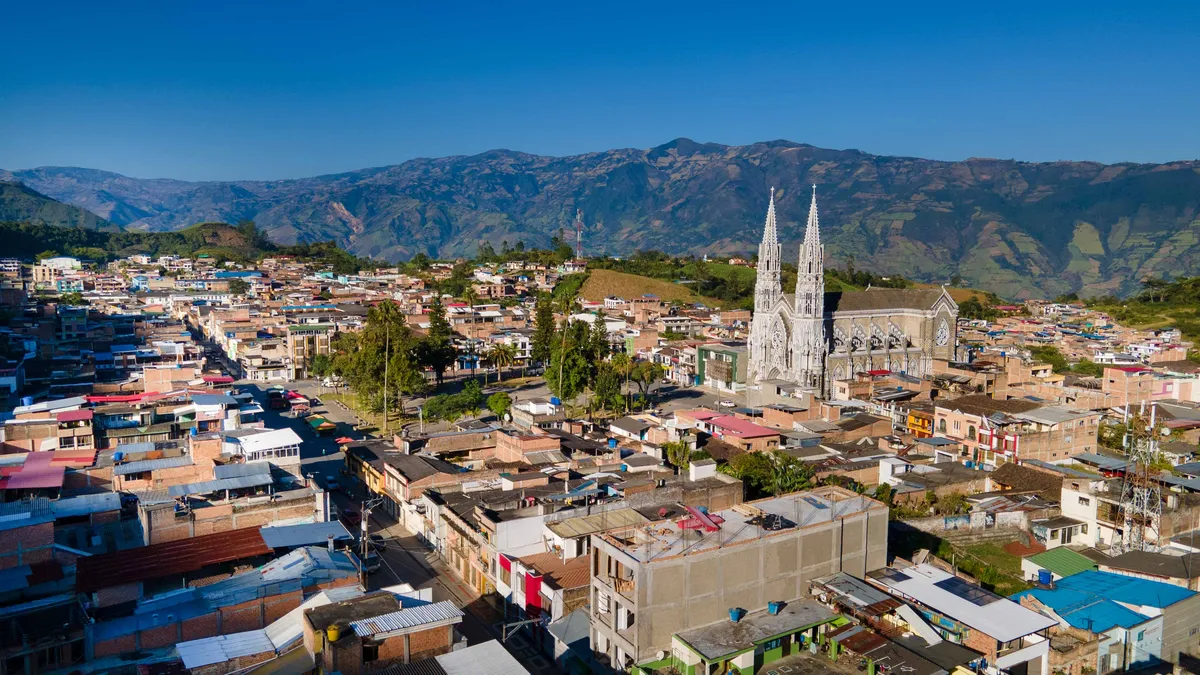
SANDONÁ
SANDONÁ, A TOWN THAT FALLS IN LOVE
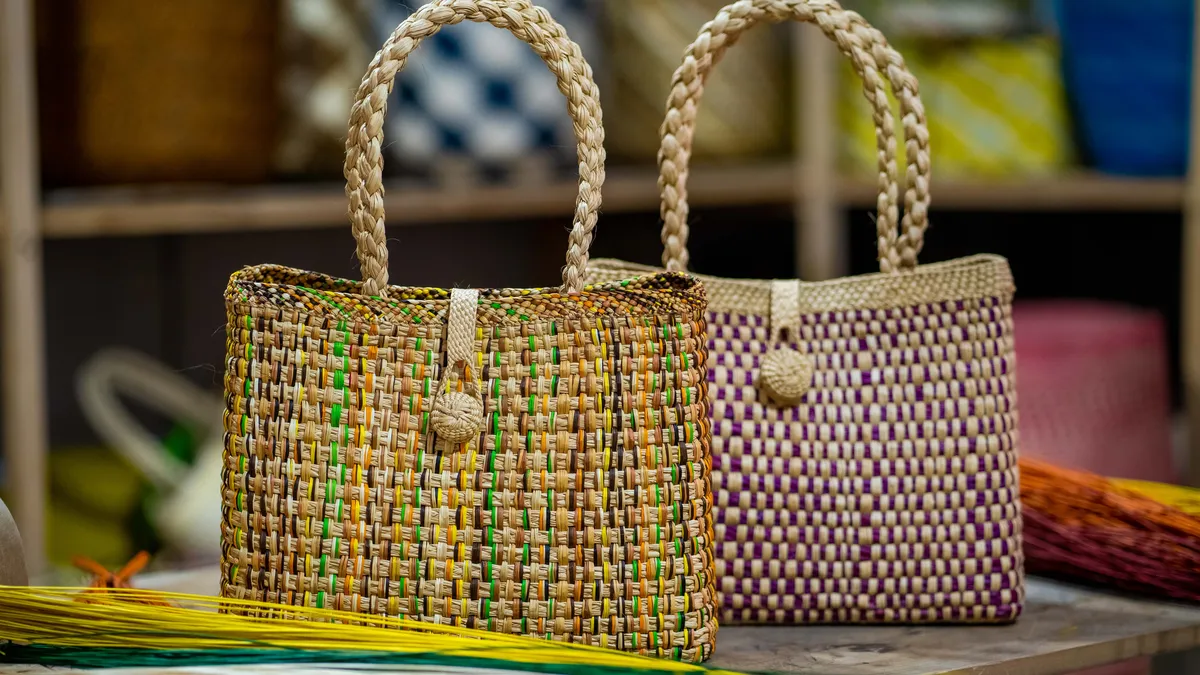
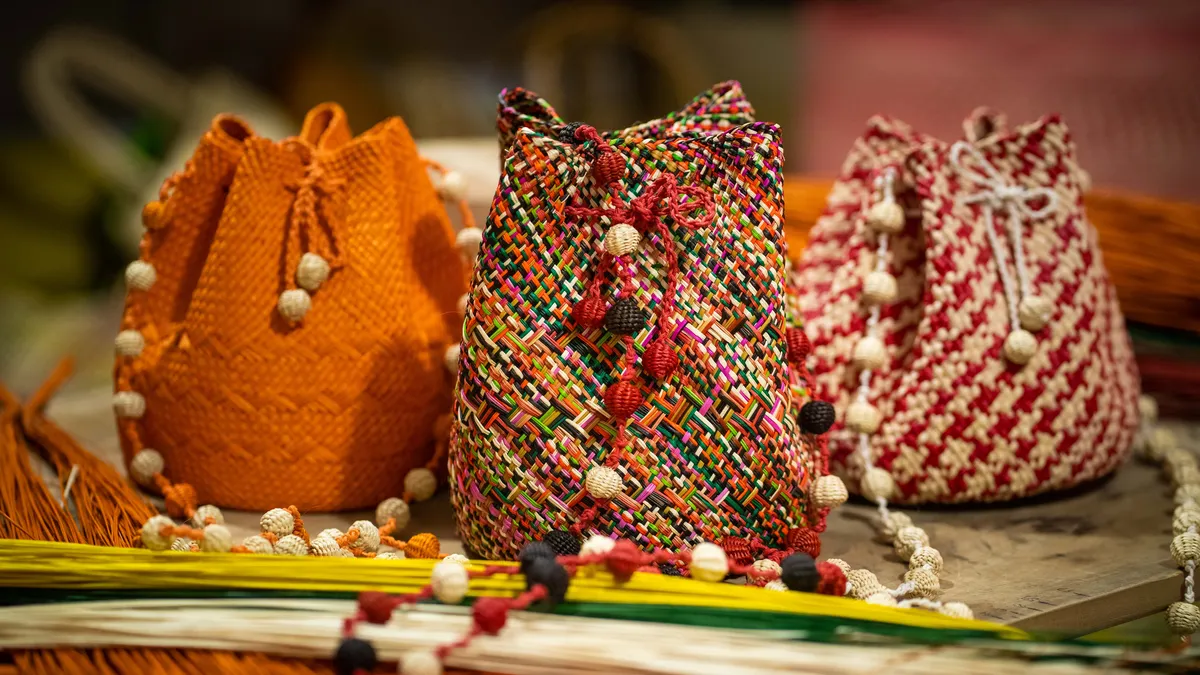
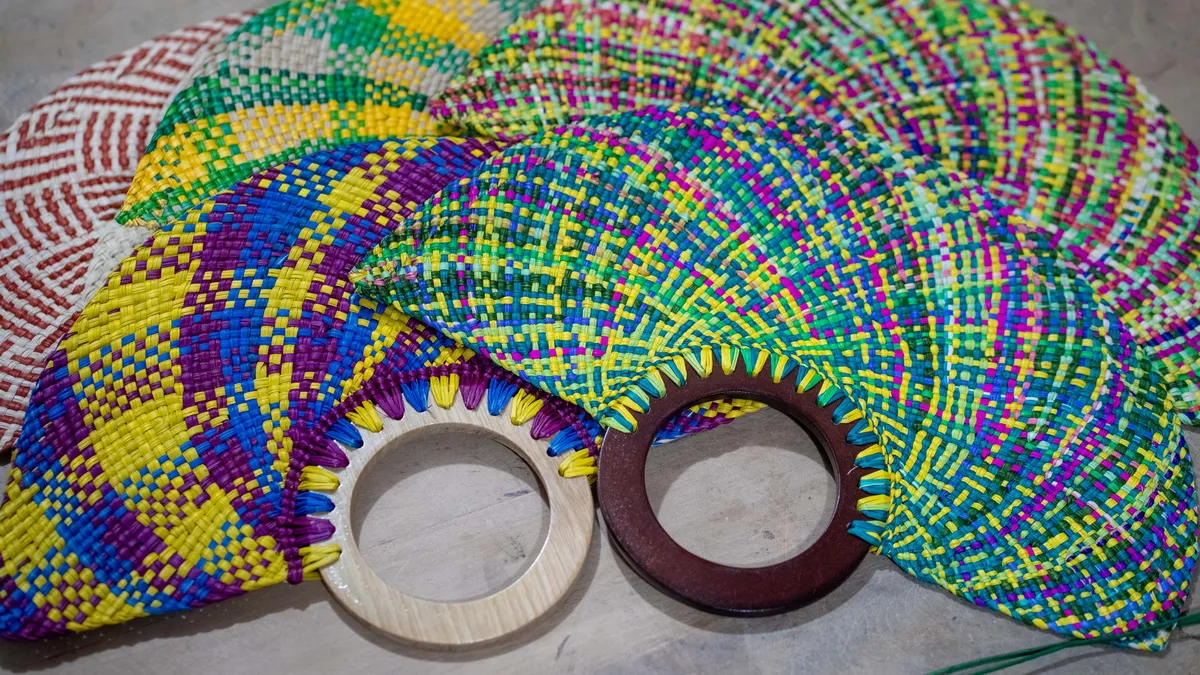
Sandoná, where ancestral knowledge and traditions coexist in harmony with nature; a land with the aroma of sugar cane and coffee, where artisan women hand-weave straw shawls, interweaving the fiber and their dreams of hope.
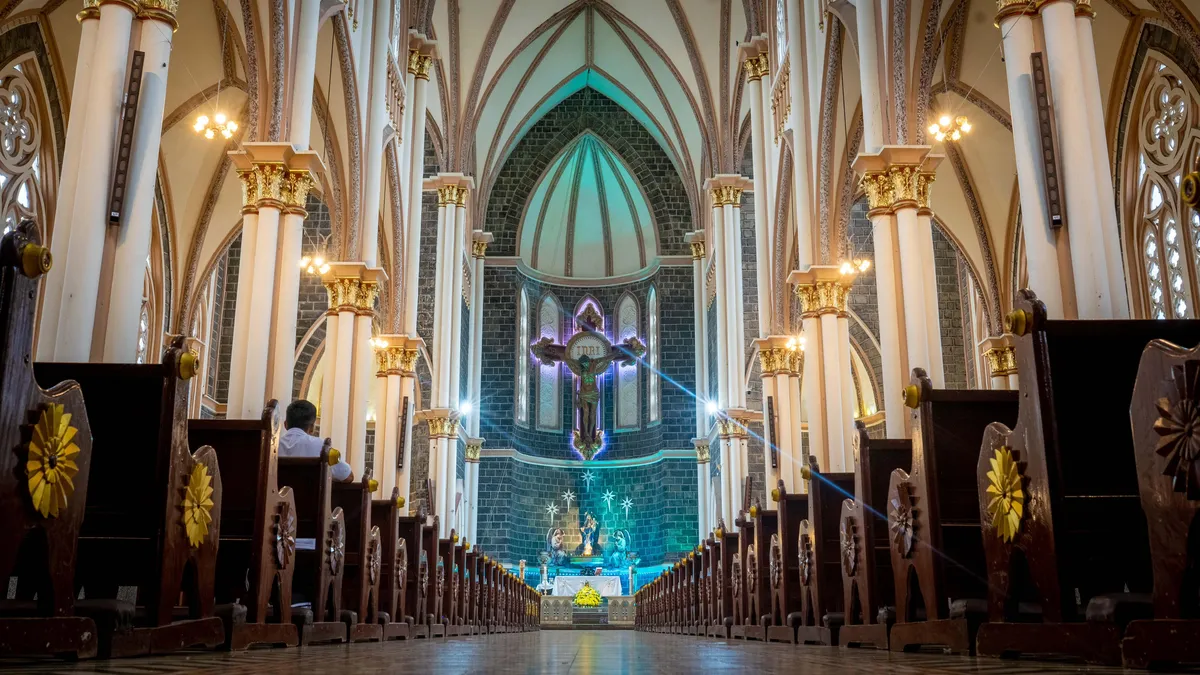
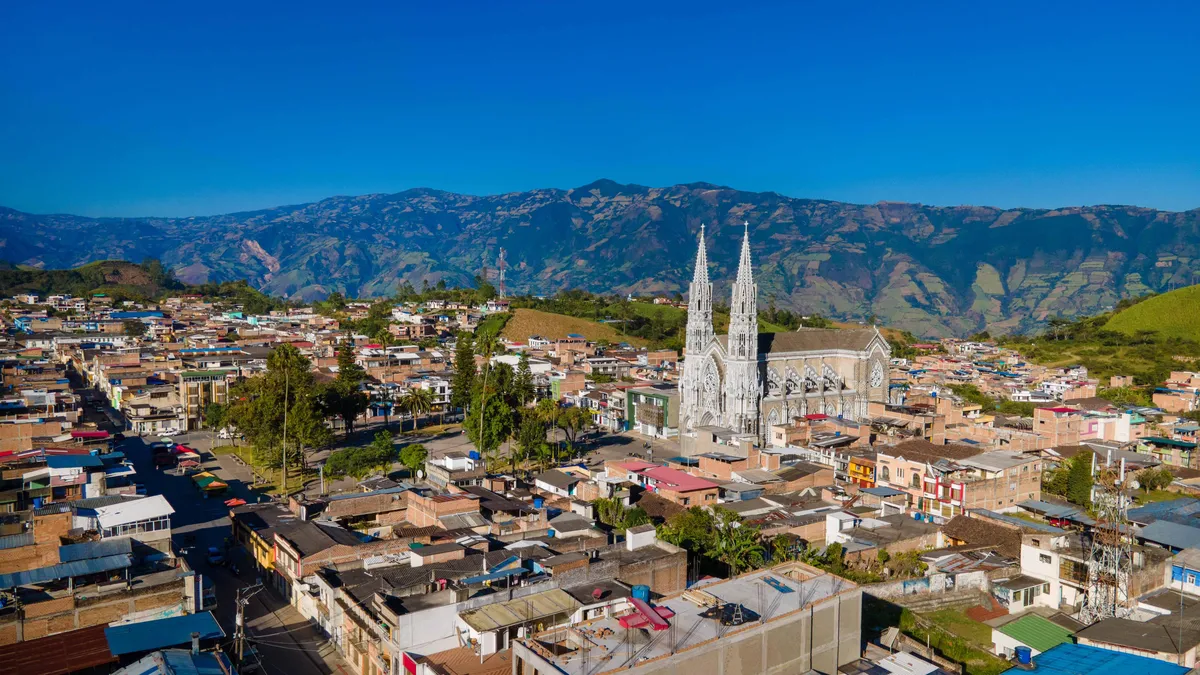
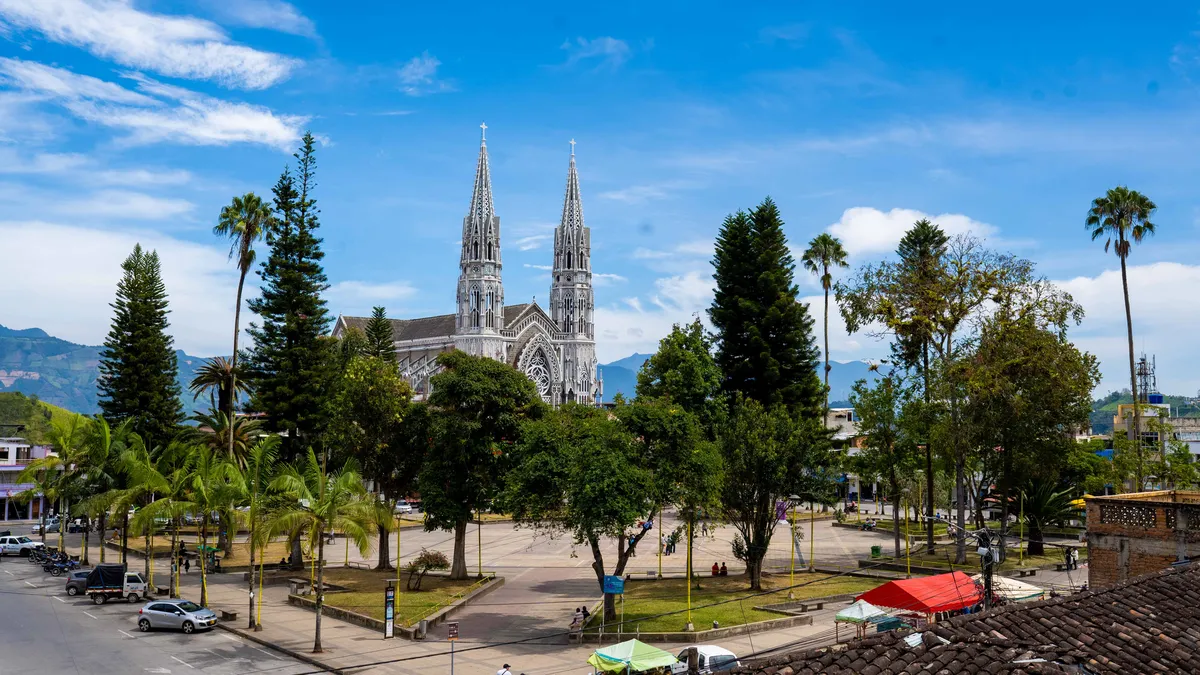
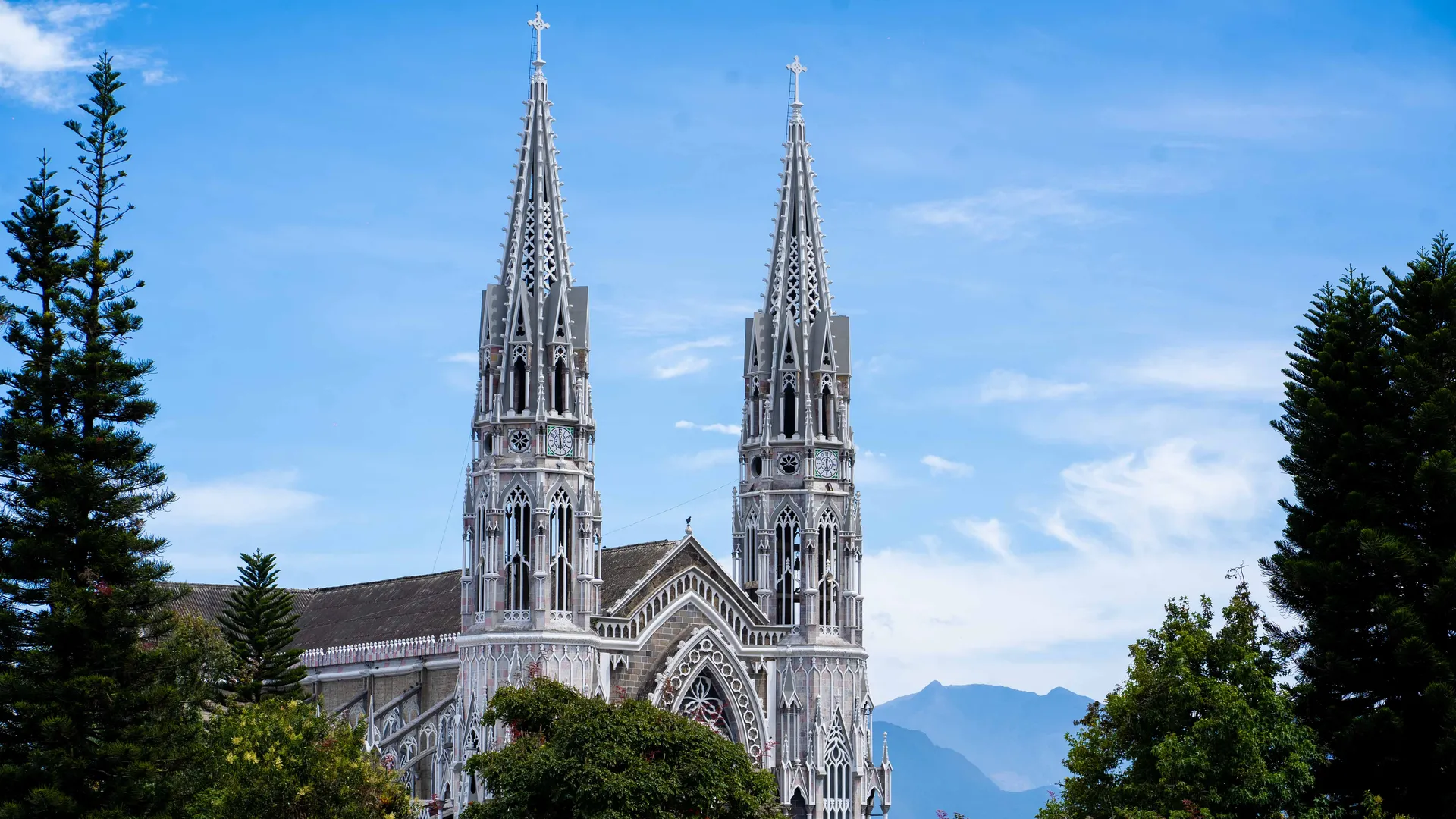
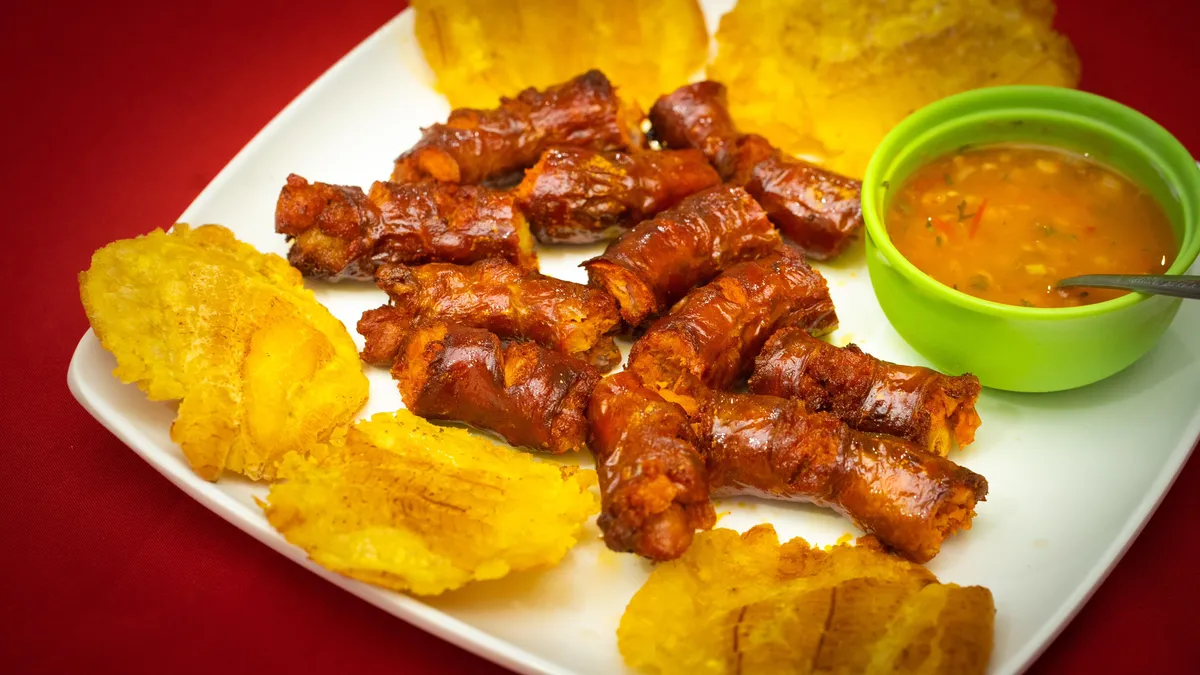
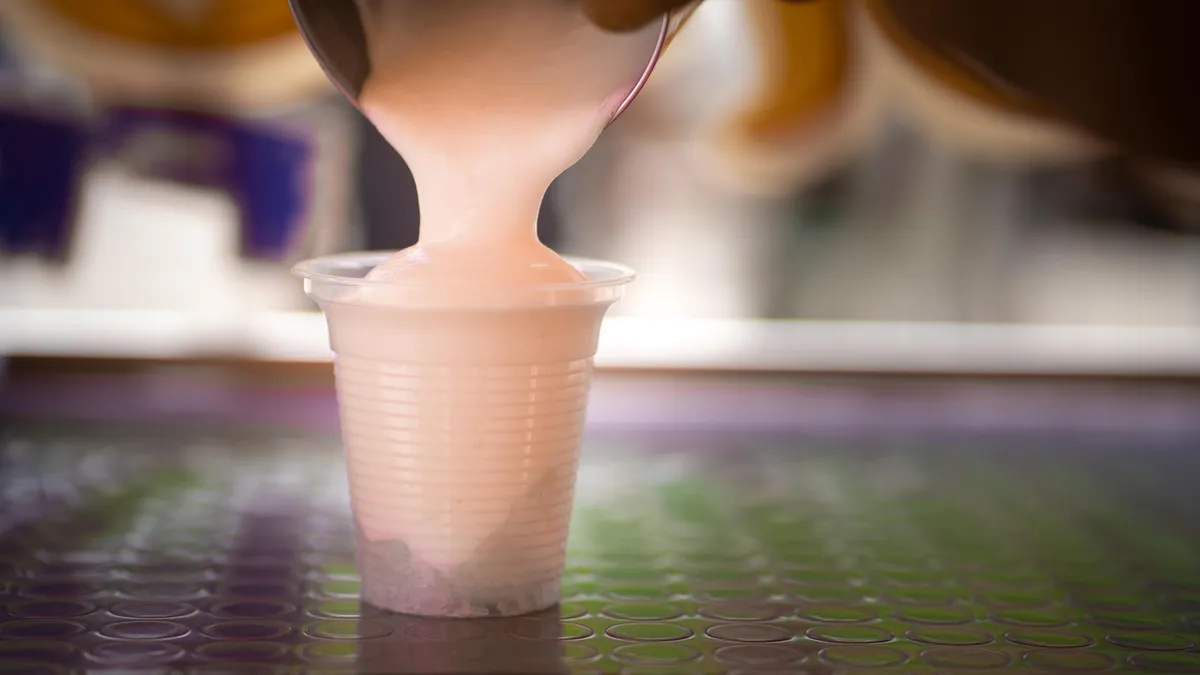
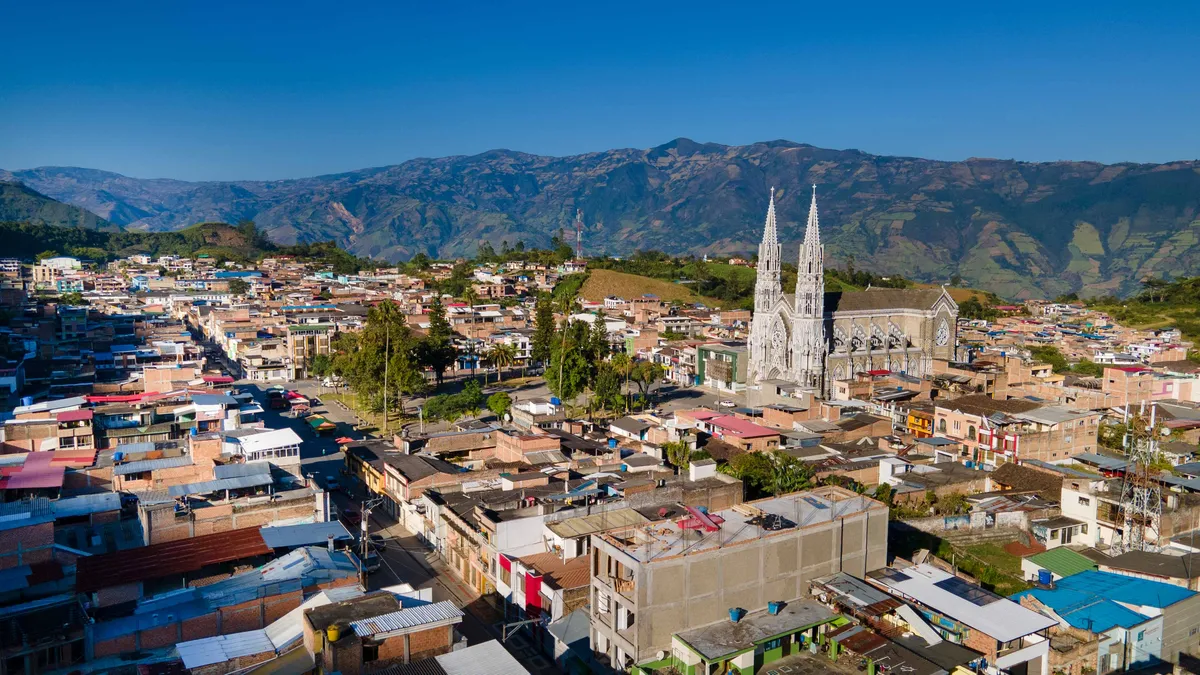
The typical gastronomy exalts the flavors of a sweet and warm land, cradle of great musicians and where faith is found in the majestic Basilica of Our Lady of the Rosary, declared a site of national cultural interest, Sandoná welcomes you with a wide range of cultural and natural attractions and activities for rest and recreation.
Our purpose is to contribute to the development of tourism in Sandoná through spaces for the enjoyment of locals, visitors and tourists, guaranteeing the preservation of our uses, customs and traditions and the conservation of the environment.
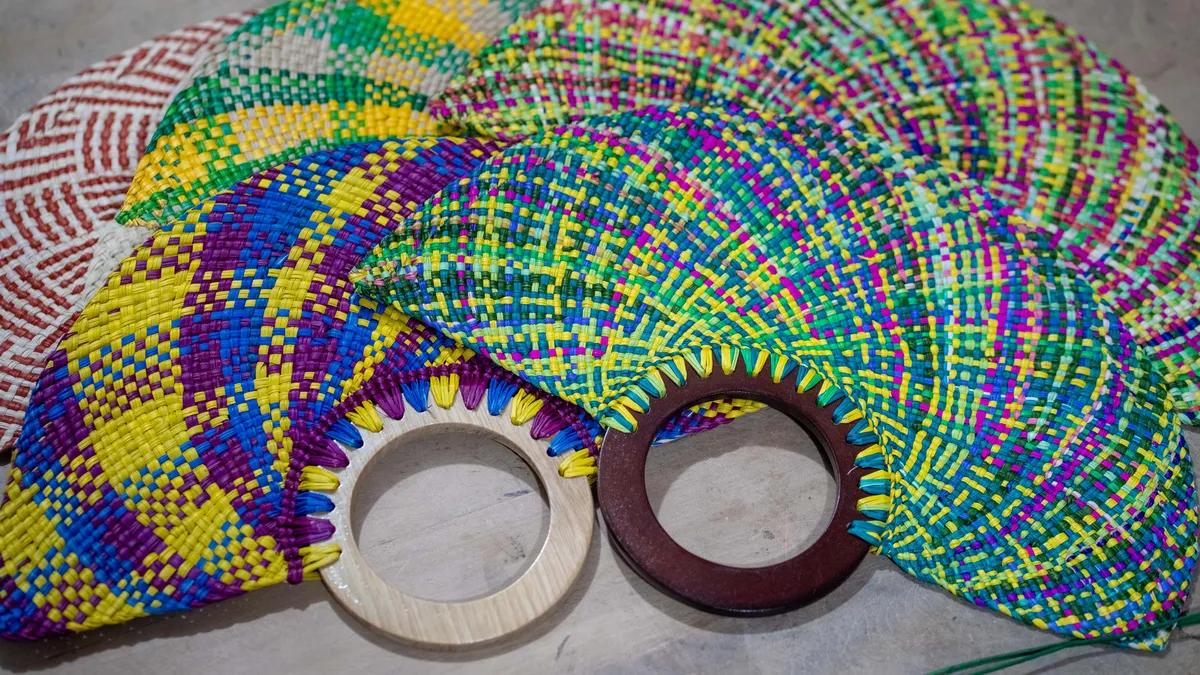
HANDICRAFTS
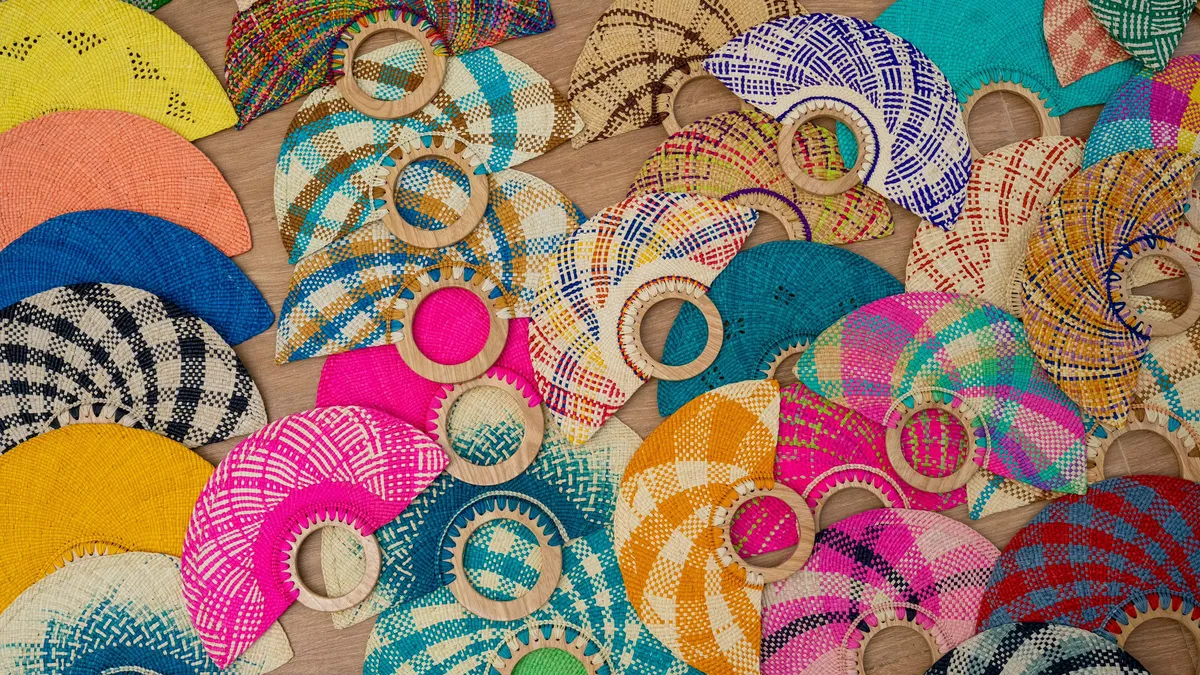
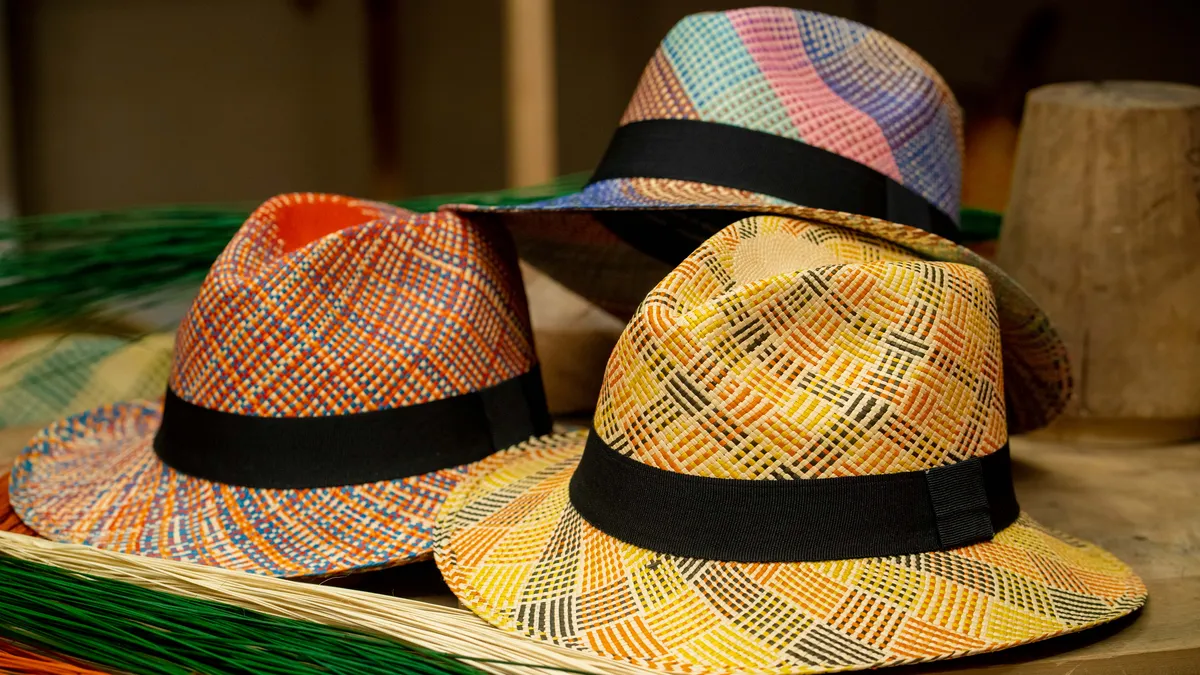
The Sandón hat has become a luxury item with variations in design and weaving forms, with a designation of origin granted by the Superintendence of Industry and Commerce in 2011 and with the “Handmade” quality seal from ICONTEC.
Currently there are 324 artisans linked through associations (3 associations). A total of about 5,000 artisans are estimated throughout the municipality linked to the straw hat crafts sector.
Sandón crafts have been on regional, national and international catwalks, such as fashion shows in Milan (Italy).

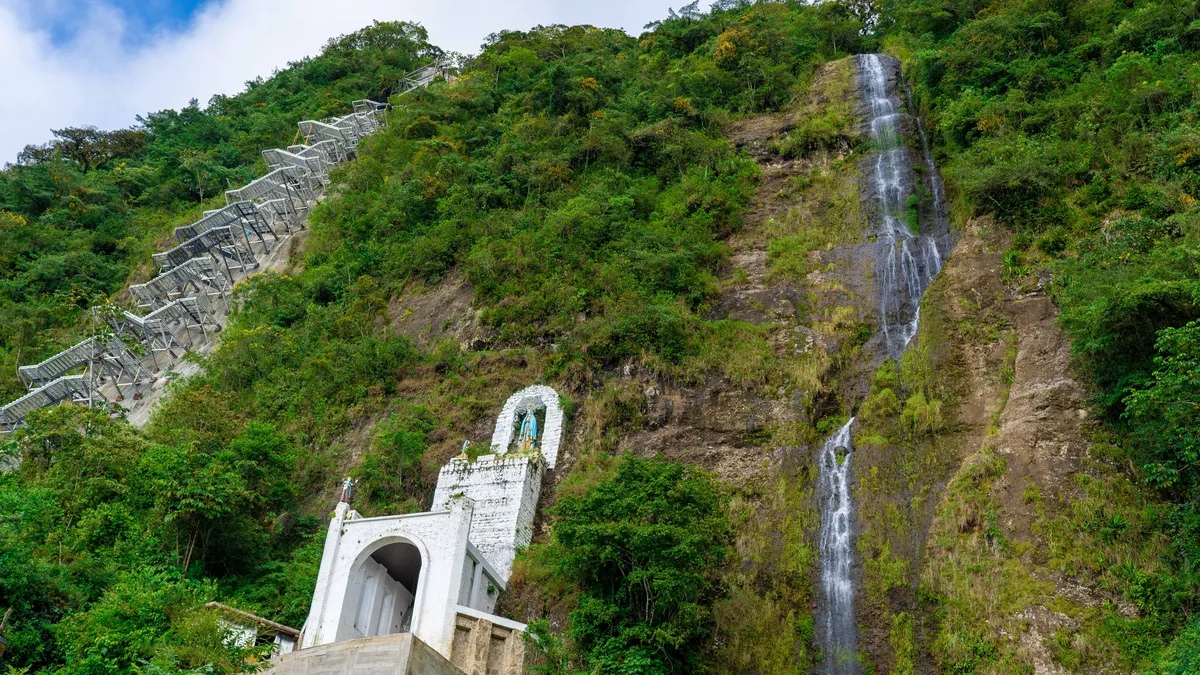
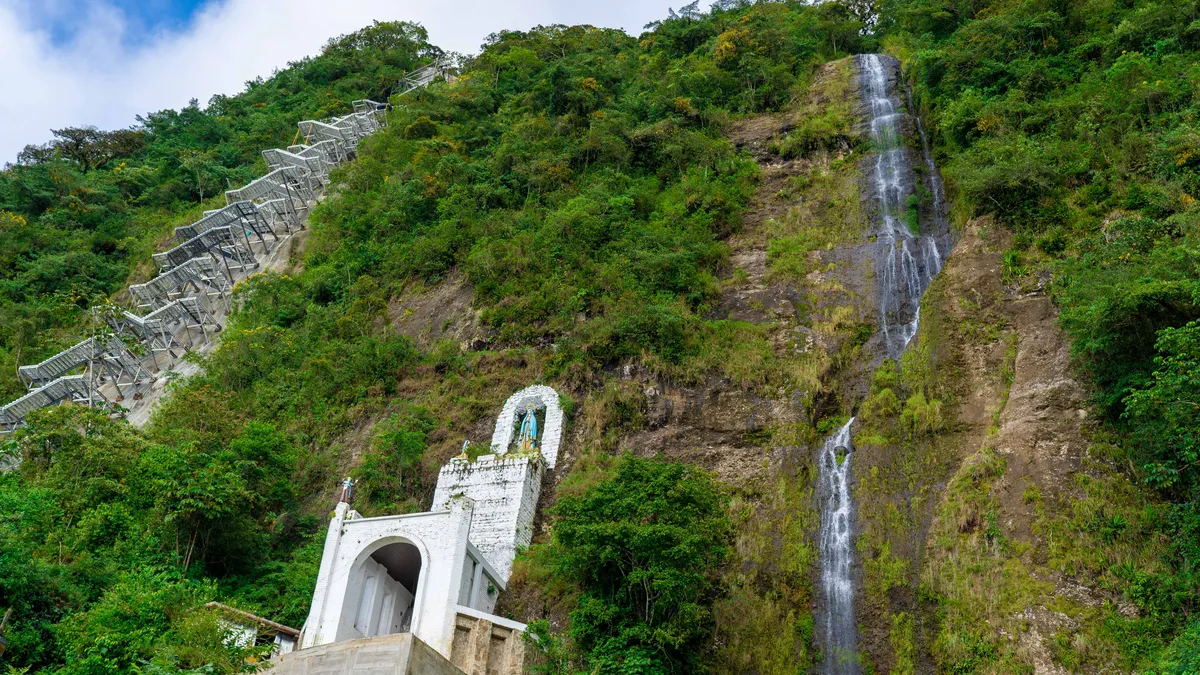
BELÉN`S WATERFALL
The Belén waterfall, a majestic waterfall located in the Belén neighborhood to the east of the urban sector of the municipality of Sandoná, adjacent to our tourist park. This beautiful waterfall is 125 meters high and has a splendor of 50 meters of water fall, it is covered by a small area of forest and is adorned with the mountains of our municipality, where locals and tourists can enjoy it.
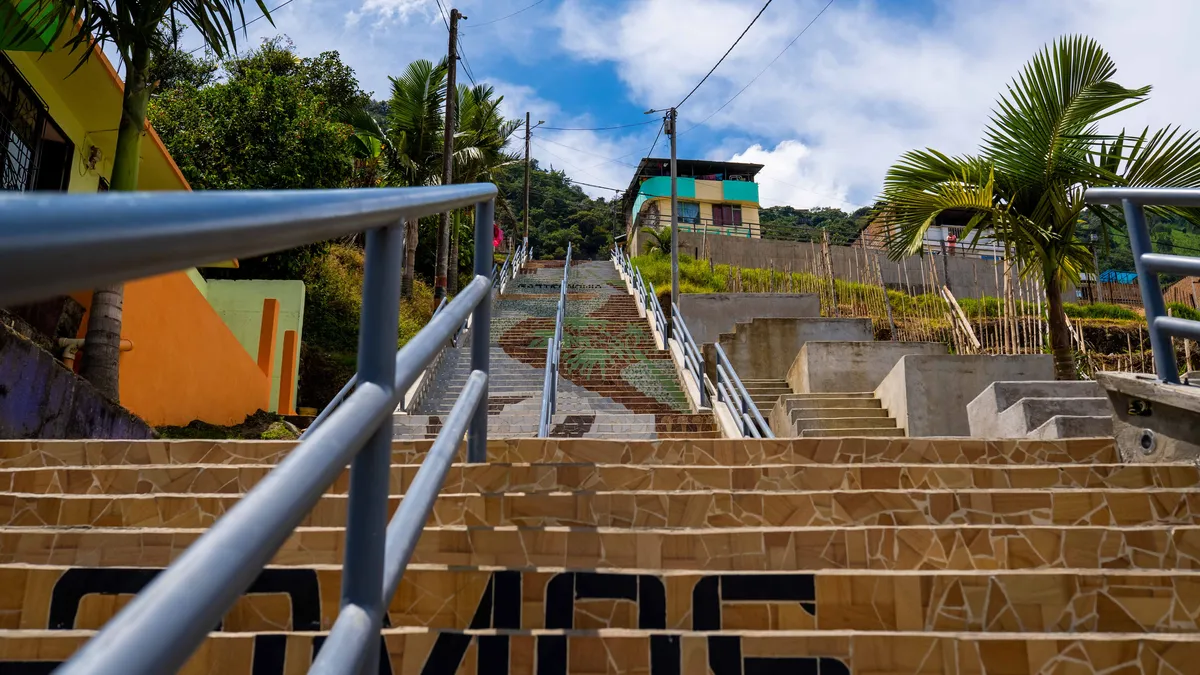
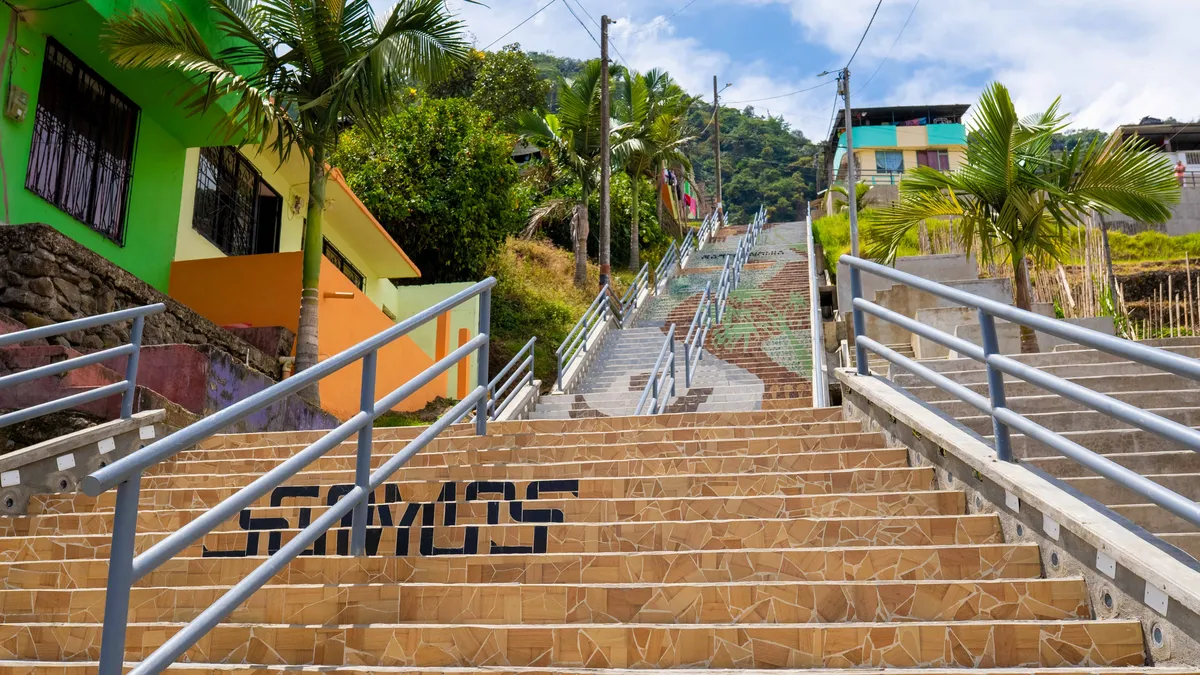
One of the main pedestrian accesses is located near the main park of Sandoná; it has 195 steps that measure 97 meters, as you climb it becomes a beautiful viewpoint, which leads to the foot of the majestic Belén waterfall.
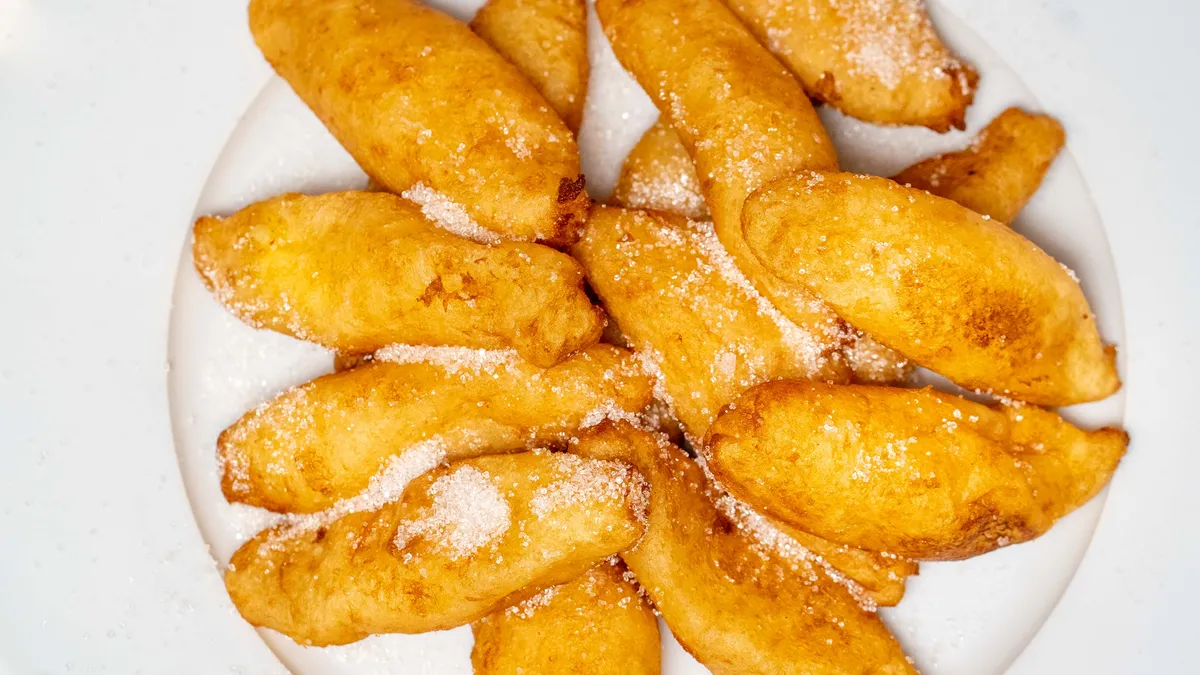
GASTRONOMY
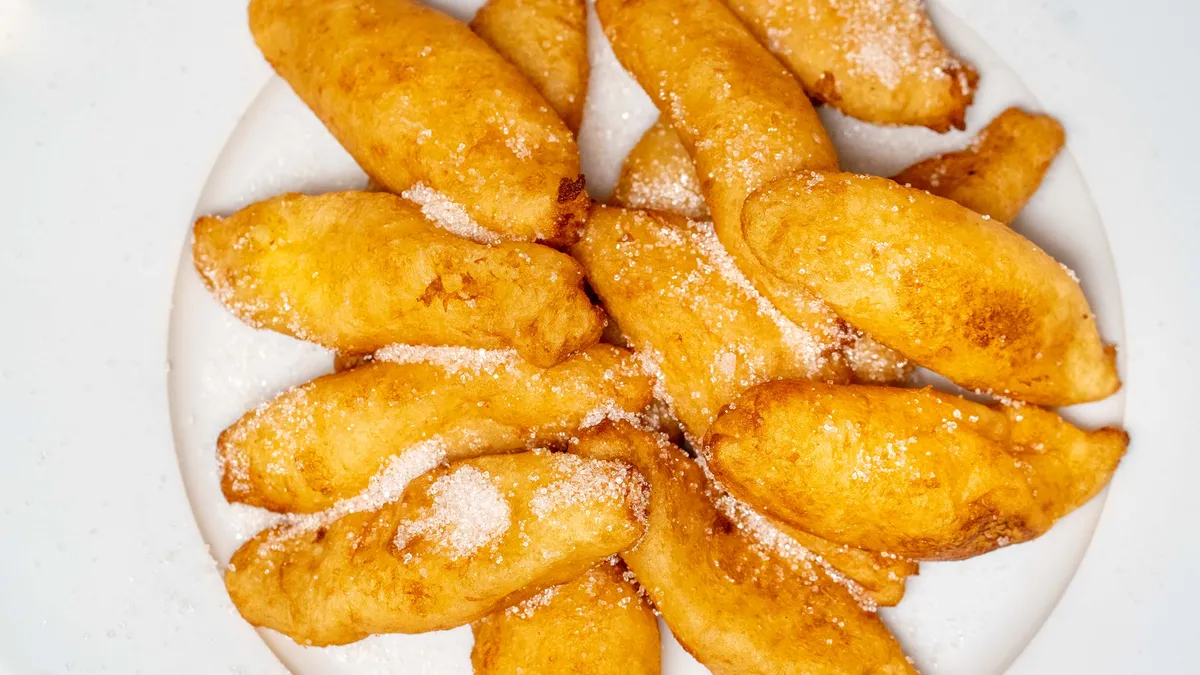
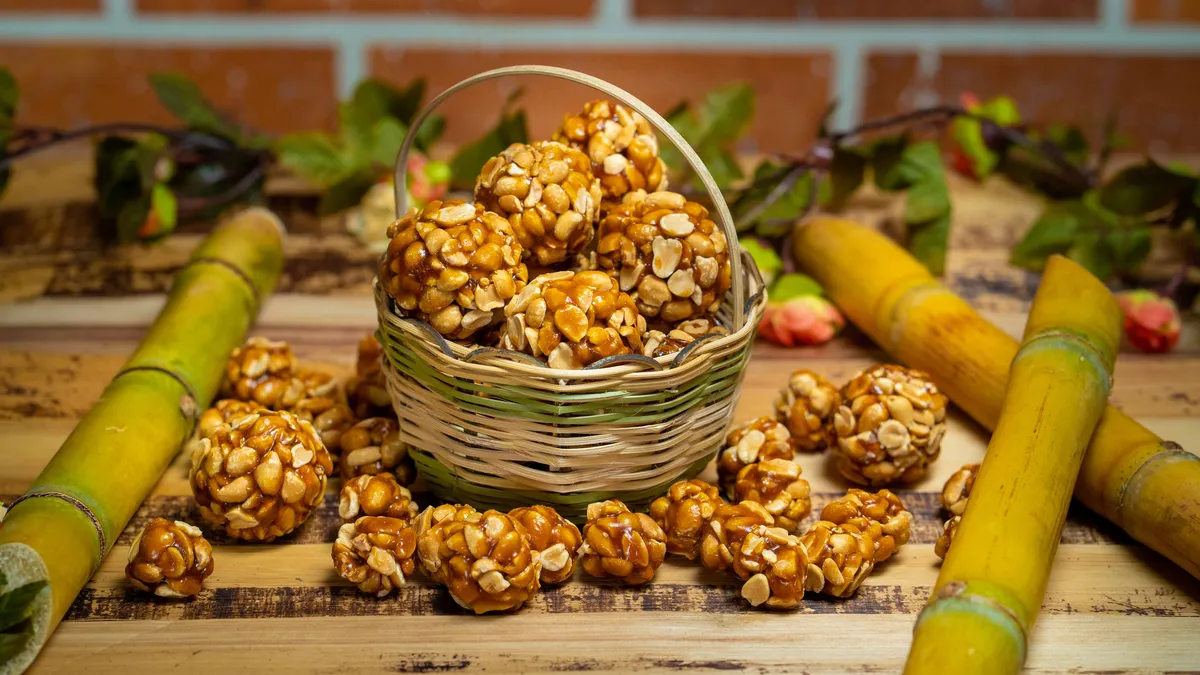
PANELERA ROUTE
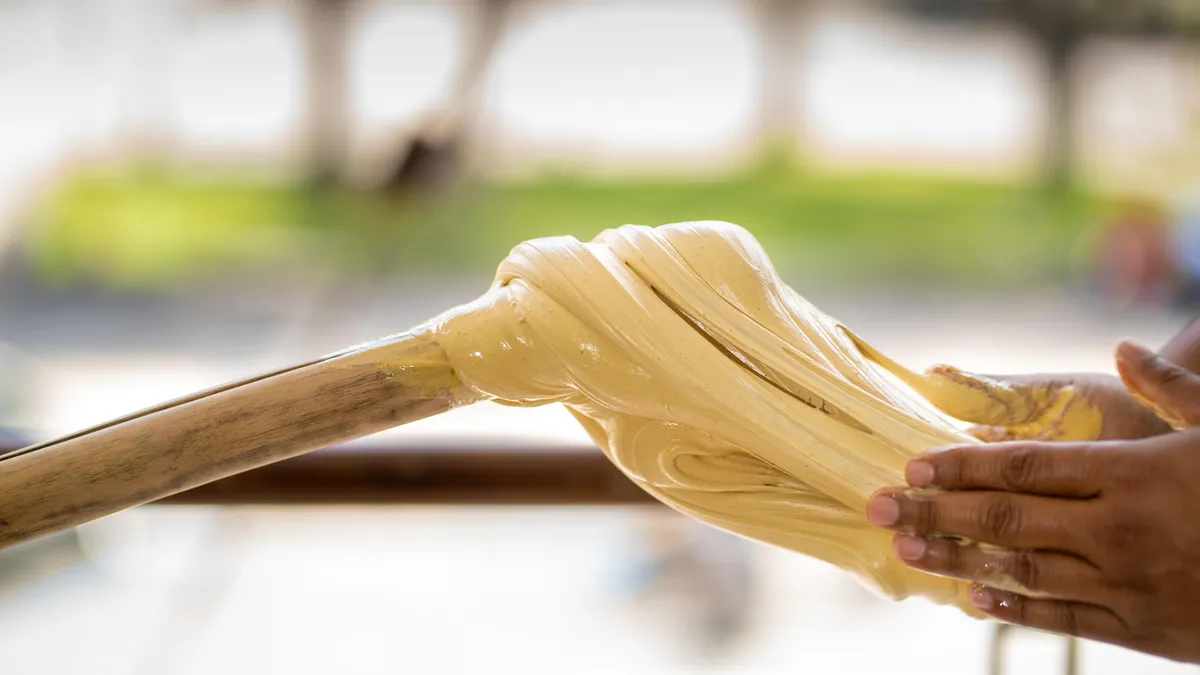
The sugarcane industry is one of the main generators of employment in the municipality, with 40 sugarcane companies, commonly known as trapiches; most still preserve artisanal processes and can be visited by locals and tourists.
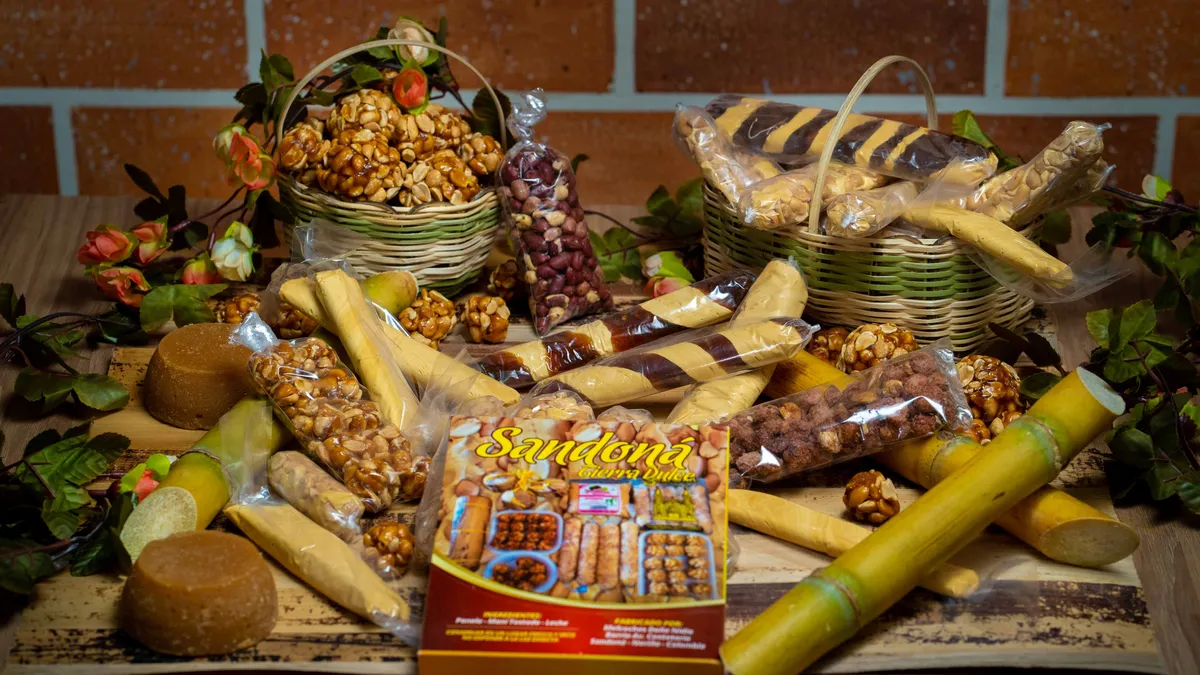
ARCHITECTURE
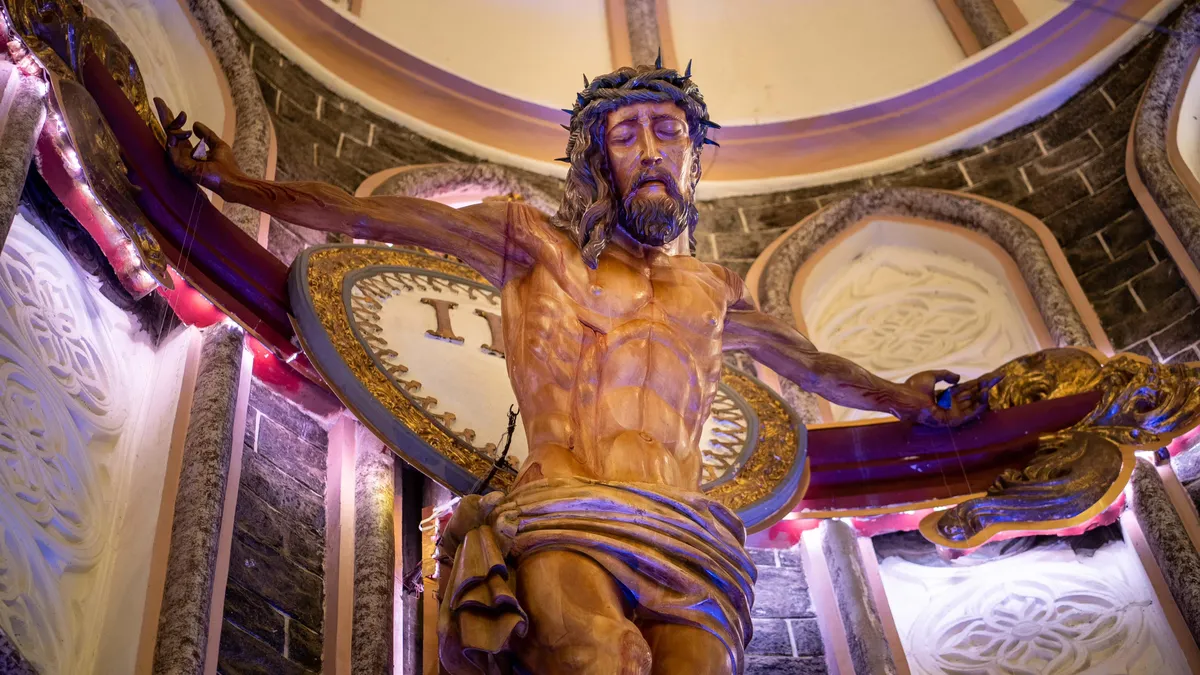
This important neo-Gothic temple, 66 meters high, has three naves and five entrances; in the interior apse of the basilica is the majestic image of the LORD OF MIRACLES, carved in cedar wood by the master from Pasto, Alfonso Zambrano Payán, and donated to the parish by the businessman Lucio Meza Vargas, considered one of the largest works carved in wood in the world, with a length of 4 meters and 75 cm.